

Importance of Air Valves for Flexible Ducting | Explained
If you've ever walked into a stuffy room even with the ventilation system running, the problem probably isn't the ducting itself—it's the air valves.
Air valves are one of those important ventilation accessories that rarely get talked about, but they quietly do a lot of the heavy lifting in any ventilation setup. Whether you're fitting out a home, a commercial kitchen, or an industrial space, getting your ducting & ventilation valves right makes a real difference to air quality, energy efficiency, and long-term system performance. Let's break it down.
What Is an Air Valve, and What Does It Do?
An air valve is a device fitted at the terminal point of a ventilation system — typically at the end of flexible ducting — that controls the flow of air into or out of a space. Depending on the application, it can regulate the air supply entering a room or handle air extraction (air being drawn out of a room).
Ventilation valves come in different shapes and sizes — round, square, adjustable, or fixed — but they all serve the same core purpose: ensuring the right amount of air moves through the right place at the right time.
Without them, you'd essentially have an open pipe. Air would either rush in uncontrolled or barely move at all. Neither is ideal.
Why They're Essential in Flexible Ducting Systems
Flexible ducting is popular because it's easy to install, adaptable to awkward spaces, and cost-effective. But flexible ducting can twist, compress, or run at angles that naturally restrict airflow. That's where ventilation air valves come into play.
Here's what a well-selected air valve does for your system:
- Balances airflow across multiple outlets. In systems with several branches, some rooms would get too much air and others too little without proper valve regulation. Adjustable ventilation valves let you fine-tune each outlet independently.
- Prevents backdrafts and pressure imbalances. In flexible ducting, or general PVC ducting, connected to bathroom fans, kitchen hoods, or mechanical extract systems, air valves stop stale or contaminated air from being pushed back into living areas when the system isn't running.
- Supports effective air exhaust. Air exhaust valves are designed for extract points—pulling moist, stale, or polluted air out efficiently. In humid environments like bathrooms or commercial kitchens, these are non-negotiable.
- Reduces noise. A poorly fitted or undersized valve creates turbulence, resulting in annoying whistling or rushing sounds. The right valve, correctly installed, keeps things quiet.
Choosing the Right Ventilation Valve
Not all ventilation valves are created equal. Here's what to consider:
- Size and diameter — always match your valve to your duct diameter. A mismatch kills efficiency.
- Adjustability — for multi-room systems, go for valves you can open or adjust to balance the system properly.
- Material — in humid or high-temperature environments, opt for valves rated for those conditions.
- Direction — supply valves and extract valves are different. Make sure you're using the right type for each application.
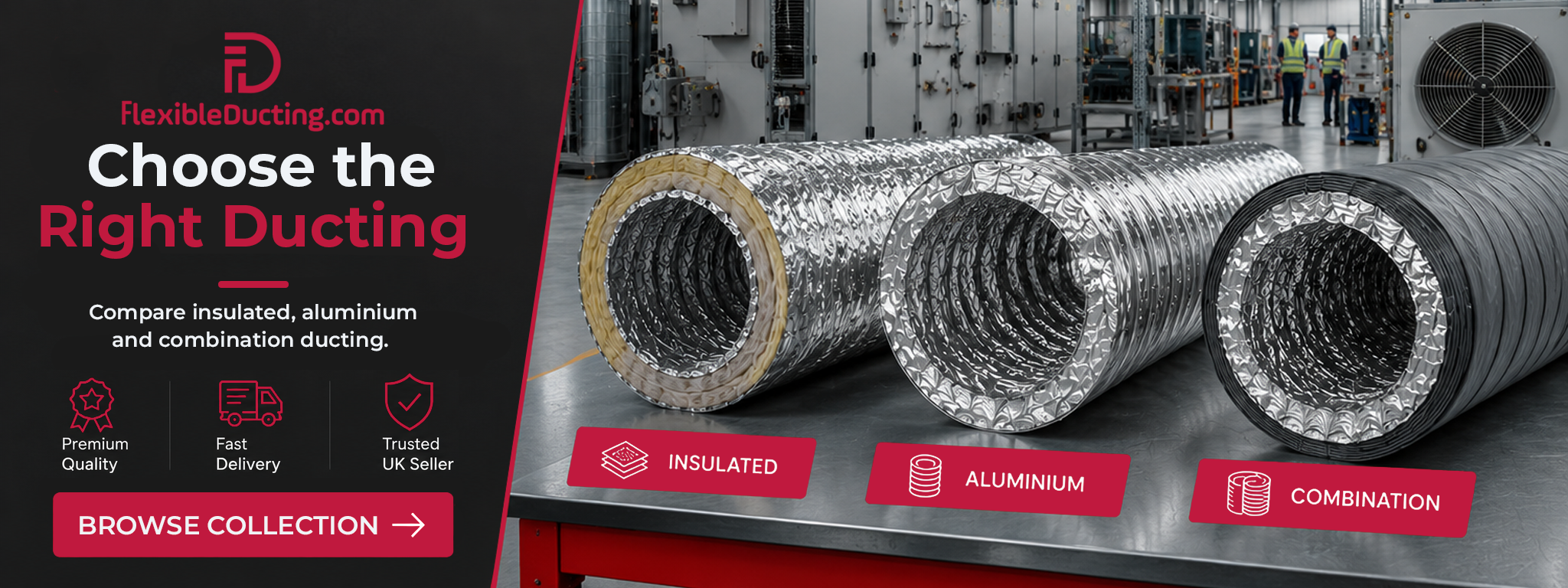
At flexibleducting.com, we supply a full range of ventilation air valves for both domestic and commercial flexible ducting installations. Whether you're looking for a single room or an entire building’s system, we'll help you get the airflow balance right.
How Do You Keep Your Valves Working Well?
Ventilation valves don't need much attention, but a little goes a long way. For example, regular cleaning prevents dust and grease buildup from restricting airflow. For most domestic applications, a wipe-down every few months is enough. In commercial kitchens or dusty environments, check them more frequently.
How to clean an air valve:
- Remove the valve face or grille (usually a simple quarter-turn or ducting clip release).
- Wash with warm soapy water or a mild degreaser.
- Rinse, dry thoroughly, and refit.
- Check the seal around the valve — any gaps can cause air leaks and reduce system efficiency.
If you notice reduced airflow, unusual noise, or condensation around a valve, inspect and clean it before assuming a bigger system issue.
The Bottom Line
Air valves might be small, but they significantly affect how well your ventilation system performs. In flexible ducting setups, especially when bends and compressions already compromise airflow, the right air valves in the right places keep everything balanced, efficient, and working as it should.
If you're unsure which valves are right for your project, our team is happy to help. We know ducting systems inside and out, and we're here to make sure yours performs the way you need it to. Please feel free to reach out to us at sales@flexibleducting.com or call us on 0117 330 2277.